

As the wind is on St Benedict’s day
March 21: St. Benedict's Day

As the wind is on St Benedict’s day,
so it will stay for three months.English proverb
Welcome! Whether you’re a longtime friend or a new kindred spirit here (I recommend visiting the Village Green to get your bearings), I’m delighted to be a companion to you through the liturgical year.
Please enjoy this month’s focus: a practice of attention that encourages us to deeply explore one holiday within the context of the season.
For more to supplement the rest of your March days, flip through the March Almanac.
Pax+bonum, Kristin.

» Printable Resources
Book of Hours Pages

Keeping a liturgical Book of Hours binder helps me to distill all of the inspiration I find, so I can easily look to the elements that have been most nurturing for our family & community.
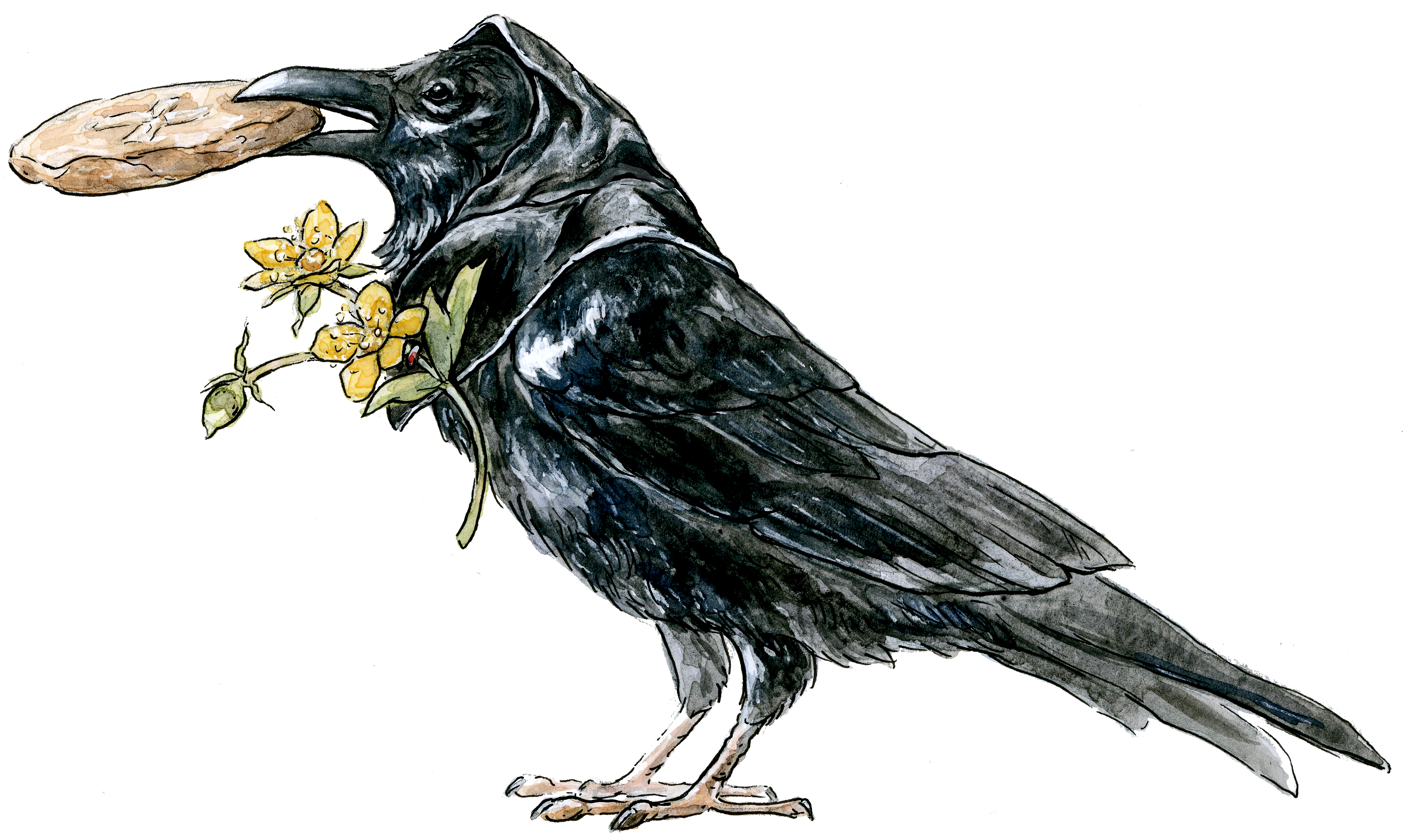
Cover page featuring a Raven & St. Benedict’s Herb
Five pages of folk tradition, agrarian context, traditional meal ideas, prompts, history, poetry, Scripture, & hymns (with photos) to help you learn about this feast and reflect on how it intersects with your own life and landscape.
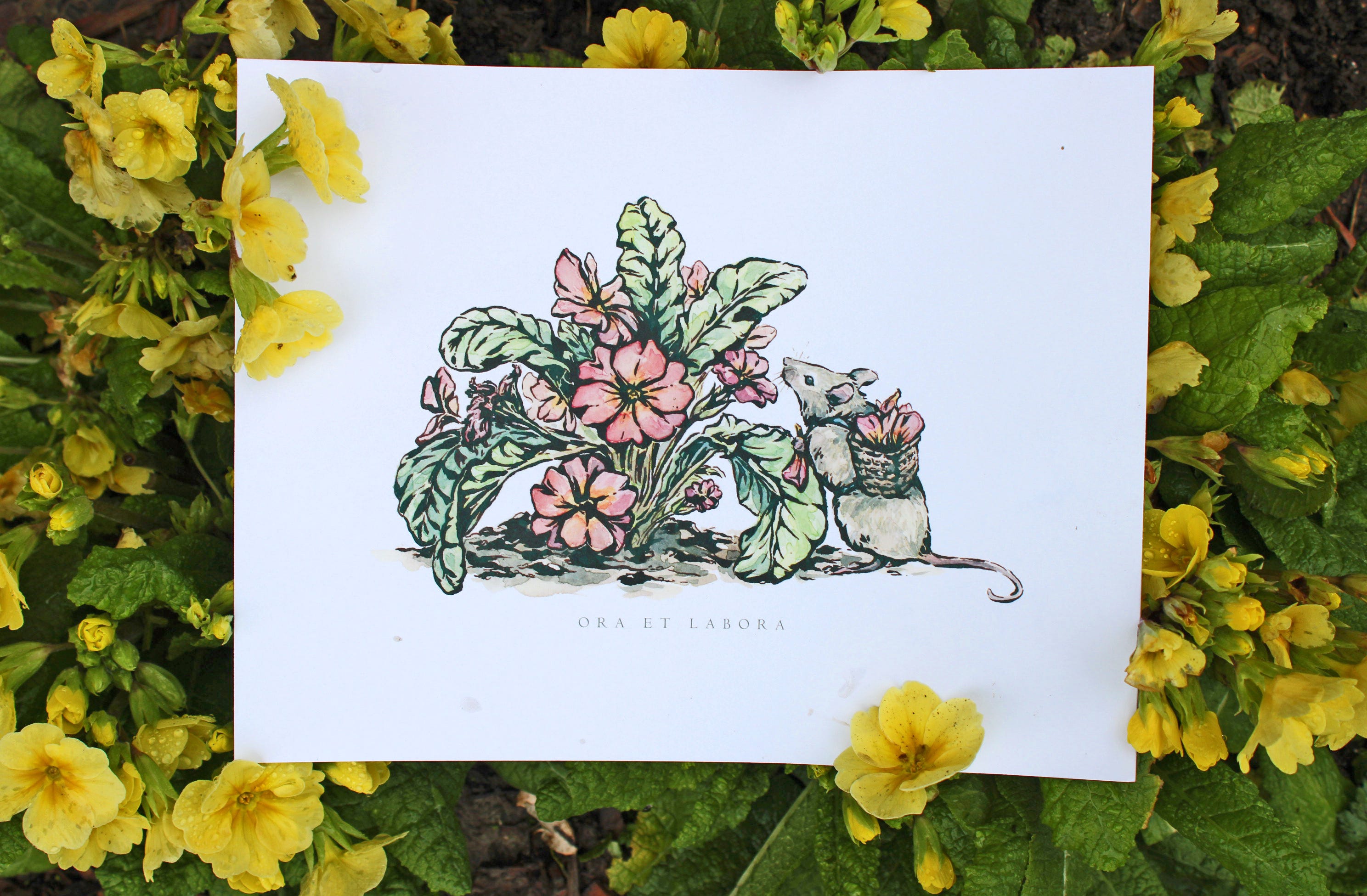
Mouse’s ora et labora

I’ve had a lot of fun playing around with a dip pen lately, and this little mouse appeared on my paper - harvesting primrose petals, of course.
It made me think about how the nature of our work really changes when we re-imagine it in terms of St. Benedict’s ora et labora - work and prayer. Sometimes, if I’m depleted, work feels like a drag…other times, I remember that I am, in some sense, gathering primrose petals. Every bit of work can be a reminder of God, if I pay attention. (Those moments are more rare than I’d like to admit, but nunc coepi - always, I begin again).
So, I made a whimsical ora et labora print for you. And you could just as easily cut it out and make it into a paper doll for playful hands!
Paid members can find these goodies (as well as my whole archive of printables) in the Scriptorium!
YOU SEE THE RAVEN THAT SERVES HIM

Today we celebrate the joyful day of the great leader
who brings gifts of new light.
Grace is given to the devout soul: let what is expressed in words
resound in the ardent heart.[…]
You see the raven that serves him;
in him, you recognize Elijah hidden
in the small cave.Excerpt from Laeta Dies Magni Ducis (The Joyful Day of the Great Leader), Benedictine sequence (in Gregorian chant) (15th c.)
We’ve arrived at the Spring Equinox: the astronomical event that, with our next full moon, guides the dating of Easter and Lent…a time when our theology so poetically intersects natural cycles.
And, here at this equinox crossroads, we also find a herald: St. Benedict, come to greet our tired Lenten souls and guide us through to Easter. Though his feast was moved to July in 1969, the traditional date of March 21 (the date of his transitus) gives us a comforting companion whose Rule is an ongoing inspiration for our own Lenten boundaries.
Born around 480 AD in Nursia, Italy, St. Benedict began his studies in Rome. Feeling that a depth in both teaching and morality was lacking, he left (at the tender age of 14) and pursued a life of solitude in the mountainous wilderness of Subiaco, just east of Rome
En route, he encountered St. Romanus of Subiaco: a monk and hermit who was so struck by the youth’s devotion that he gave Benedict the monk’s habit and helped to support the years of ascetic life that would follow.

St. Benedict spent three years living in a cave (the sacro speco), receiving almost all of his food from a basket lowered by St. Romanus, who served as his patron and mentor.
“Then Jesus was led by the Spirit into the desert to be tempted by the devil.”
Matthew 4:1 (NABRE)
Throughout both Scripture and Tradition, the wilderness is a cradle of spiritual growth: it’s a place where distractions are stripped away and the soul encounters and responds to trials and temptation, being cleaved to God throughout the process. St. Benedict’s cave was, in so many ways, a furnace of refinement.
When Jesus faces his desert trials, each temptation is met with his consistent devotion to God - and, when he has fulfilled that process of responsiveness, angels displace the tempter.
“Then the devil left him and, behold, angels came and ministered to him.”
Matthew 4:11 (NABRE)
Jesus practices his devotion in a time and place of solitude, and the culmination of that period of consistently choosing God returns the ministrations of angels to him.
For St. Benedict, trials kept interrupting his hermit years, and the tales we receive are legendary. Over time, his cave had been found - local shepherds at first thought he was a wild animal, since he was clad in wild skins - and the encroachment of temptations began in earnest.
Inevitably, inspired by his devotion, followers sought him out. This raised the jealous ire of a local priest, who made several attempts to kill St. Benedict…at one point, leaving a loaf of poisoned bread for him to find.
Benedict, though, had honed his spiritual vision and grown adept at recognizing and banishing temptations & evils. He saw the bread for what it truly was and enlisted the help of a Raven: the wilderness companion with whom St. Benedict often shared his supper.
St. Benedict told the raven to take the bread and carry it far away, to an isolated place where it wouldn’t be consumed by anyone. Though a bit resistant to the idea (I can’t quite blame the raven), the bird complied, ferried the loaf off, and returned in three days to share a meal with his cave-dwelling friend.

The wilderness isn’t where these journeys of refinement end, though: it’s a seed, just waiting in darkness to germinate.
For St. Benedict, his solitary life turned out, paradoxically, to be an incubator for community transformation. In removing himself from cultural chaos and distraction, he focused on discernment and practiced his responsiveness to God and resistance of temptation. There, he found the solitary call to reform that would reinvigorate community in new ways.
Eventually, as he was so consistently sought after by disciples (and, alongside these disciples, was also constantly threatened by jealous or resentful leaders), St. Benedict left his cave, bringing the gift of reformed community and founding several smaller monastic communities in the area.
Eventually, he would travel to Monte Cassino - where he built an oratory in honor of wilderness-dwelling kindred St. John the Baptist. And there, at that mountain top, is where he established his foundational Abbey.
The Abbey of Monte Cassino was the space that would host the composition of St. Benedict’s famous Regula, or Rule - a set of community living guidelines, a “school for the Lord's service,”1 that shaped daily life in community through the interwoven practices of prayer and manual labor.
In modern English, our word “Rule” tends to lose a bit of the flexibility suggested in the both the title and content of Benedict’s Regula: literally, this was a ‘measure’ or a ‘pattern’ - a standard that serves to guide, a measure that flourishes in varied life circumstances rather than being hindered by variability. The measure expresses itself differently in the context of changing seasons, places, and people…while still maintaining its Gospel-driven measure.
I’m reminded of the adaptable standard of generosity we see in the poor widow:
“When [Jesus] looked up he saw some wealthy people putting their offerings into the treasury and he noticed a poor widow putting in two small coins. He said, ‘I tell you truly, this poor widow put in more than all the rest; for those others have all made offerings from their surplus wealth, but she, from her poverty, has offered her whole livelihood.’”
Luke 21:1-4 (NABRE)
Ultimately, the brilliant adaptability of St. Benedict’s Rule spread its wisdom for community living across both time and space - it became the foundational standard for Western Monasticism, and both ordained and lay people alike, here in the modern world, still find it to be a pattern for living. Its intertwining of the grafted practice of prayer + work, applied to Monastic agriculture, revolutionized food security in Medieval Europe - and, whatever our own vocation may be, ora et labora continues to be a method by which our own varied lives are revolutionized and inclined further toward Christ.
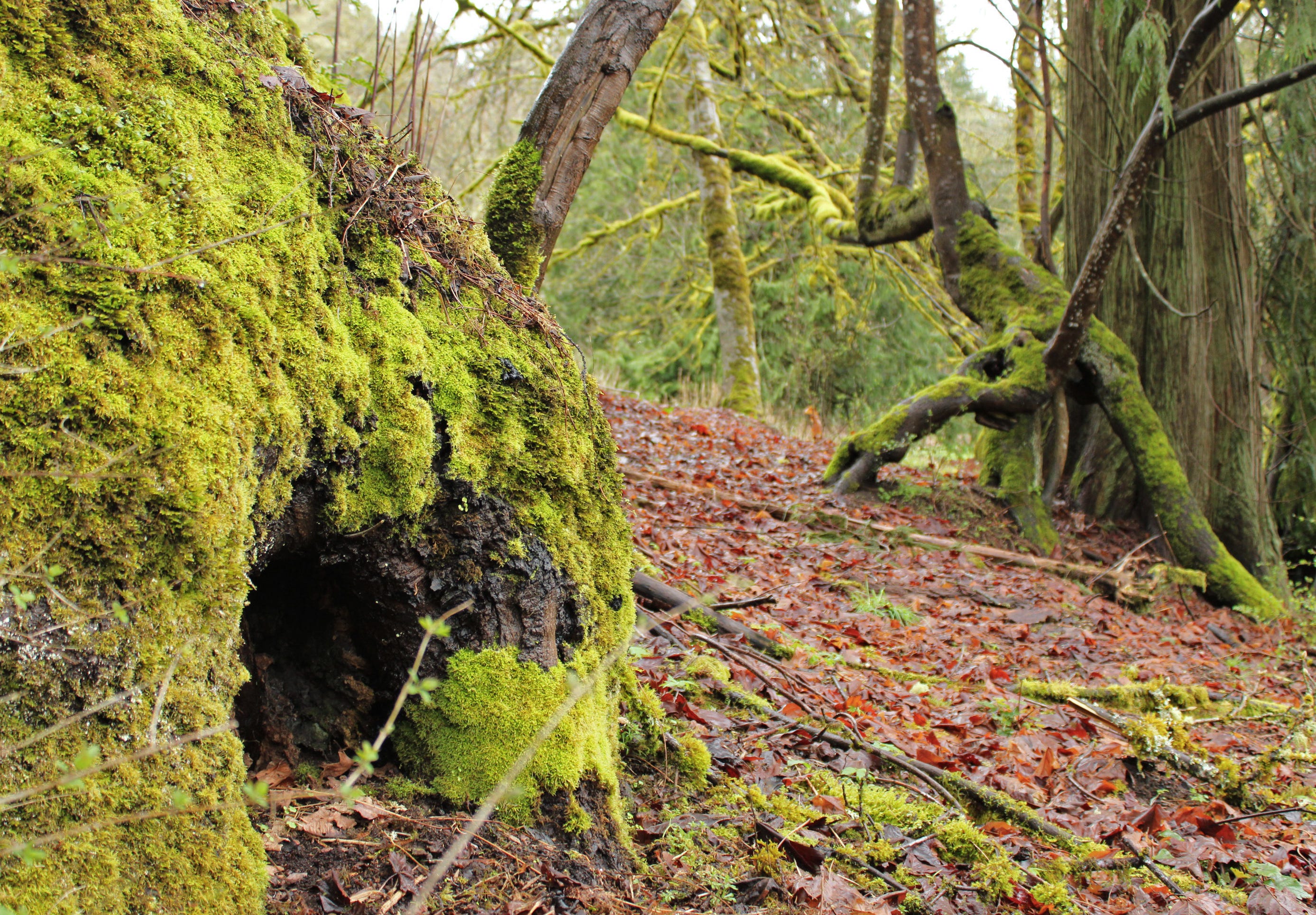
St. Benedict’s temporary solitude was the fertile ground from which transformed, Christ-centered community grew - and still grows, well over a thousand years later.
His call to faithful living, tested through a time of intentional solitude, wasn’t limiting or unresponsive: St. Benedict’s responsiveness to community needs continues to transform the way we live and apply the Gospel to our own lives, nourishing that ever-present place where the Christ’s way intersects our daily “mundane” duties, conflicts, and more.
It seems almost unsurprising that St. Benedict is said to have died in prayer, on March 31 - every task in his life was imbued with prayer, after all.
IF THE WIND IS IN THE EAST

“If the wind is in the east at noon on St. Benedict’s Day (March 21st), it will neither chop nor change till the end of May.”
From the Folk-Lore Society’s Collectanea of Folklore: A Quarterly Review of Myth, Tradition, Institution, & Custom, Volume 20 (1909)
There’s such a remarkable continuity in the arc of St. Benedict’s life: the way his solitude was not an end, but a means. The way an era of his life would expand in such surprising ways, deepening his own life and the lives of others.
And so St. Benedict - our Vernal Equinox saint, our Lenten guide - is tied to the weather.
Spring has always been a time of weather anxiety for farmers - and as I write this, looking out the window to see the spring floodwater just barely receding, I feel that anxiety keenly. The feast of St. Benedict was used as a marker to guess at the long-term spring weather: a windy St. Benedict’s Day was thought to represent the an equally windy spring, itself a symptom of more turbulent weather.
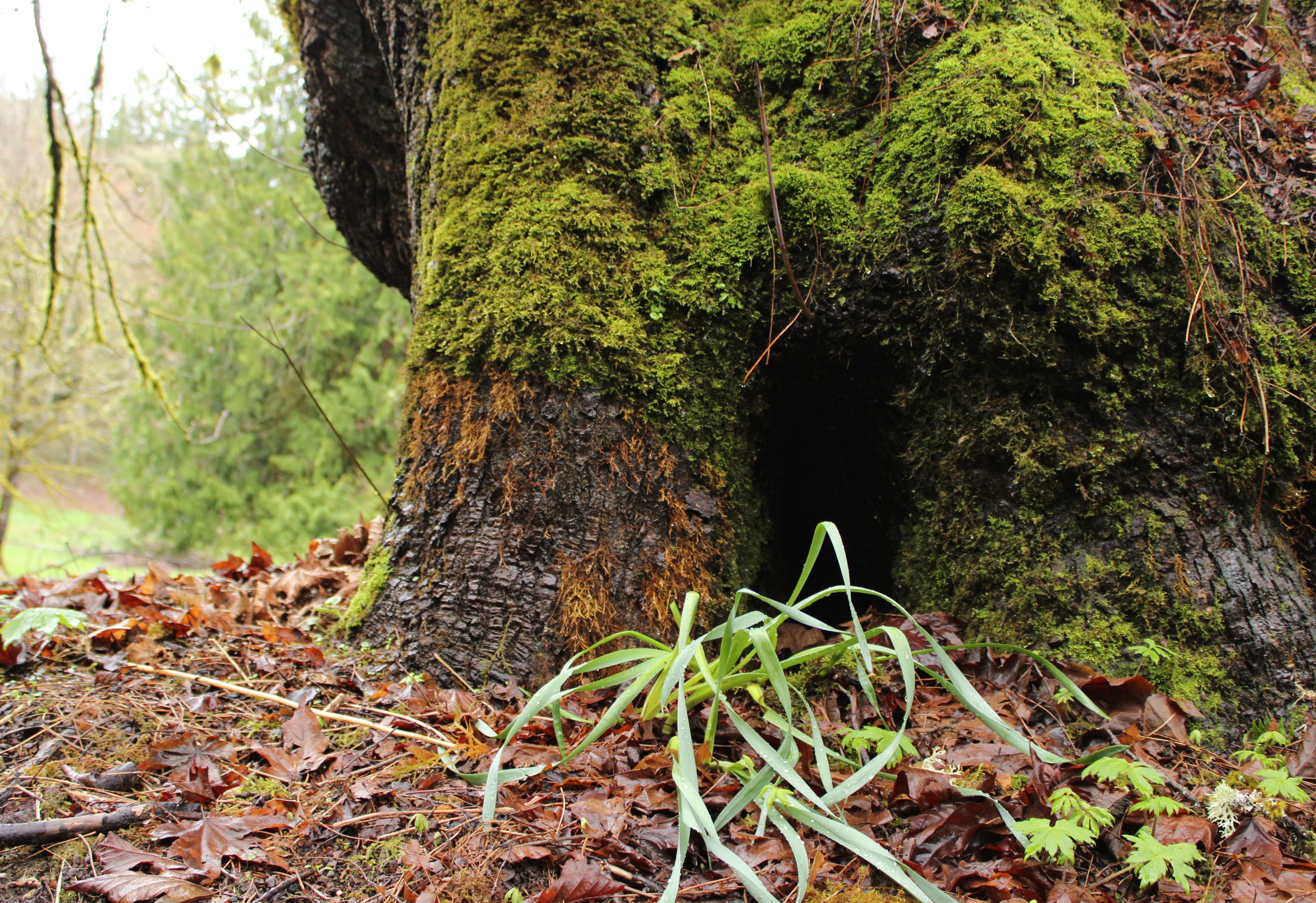
In so many ways, St. Benedict’s sacro speco - his holy cave, his three years of wilderness hermitage - was, like the Equinox wind, a marker of things to come. His devotion to Christ, his responsiveness to both God and to the struggles and needs of the wider community, were a gentle spring wind that anticipated a whole season of fair wind.
Not ‘fair wind’ in terms of ease, of course - but rather the flourishing of a singular devotion to Jesus throughout every aspect of life. With that, no matter what storms come, we have a holy fragrance carried on a fair wind.
And, as a Lenten saint, I can’t help but see that same continuity: St. Benedict’s cave is our Lent, our time of preparation. His Equinox wind sets the tone for the coming season, and, in many ways, our Lent colors our Eastertide.
“…12th calends of April [21 March], the day which we celebrate in honour of the holy man Benedict because of his great virtues. Indeed, the earth also shows by the shoots which are then quickened again that this is the time which should most rightly be the year’s beginning, when the earth was created.”
Ælfric, excerpt from his homily for New Year’s Day, translated by Dr. Eleanor Parker (10th c.)
Ælfric, the 10th century Anglo-Saxon monk & Abbot of Eynsham, was himself a Benedictine - and he so beautifully expressed this germinative nature of St. Benedict’s life and Rule.
In his New Year’s Day homily, as he contends that the New Year should be tied to March 212, Ælfric shows us the image of spring seedlings - “quickened” again after a long winter - alongside St. Benedict.
Both the new spring growth and St. Benedict are, after all, an overflow of fertility: nurtured in an isolated cave to finally flourish and bloom in lifegiving, miraculous ways.
It makes me wonder what dark caves in my own life might actually be places of gestation…places that, retrospectively, will prove to be not just a collection of trials, but a series of redemptive moments that will carry their influence in my life further and deeper than I might imagine.
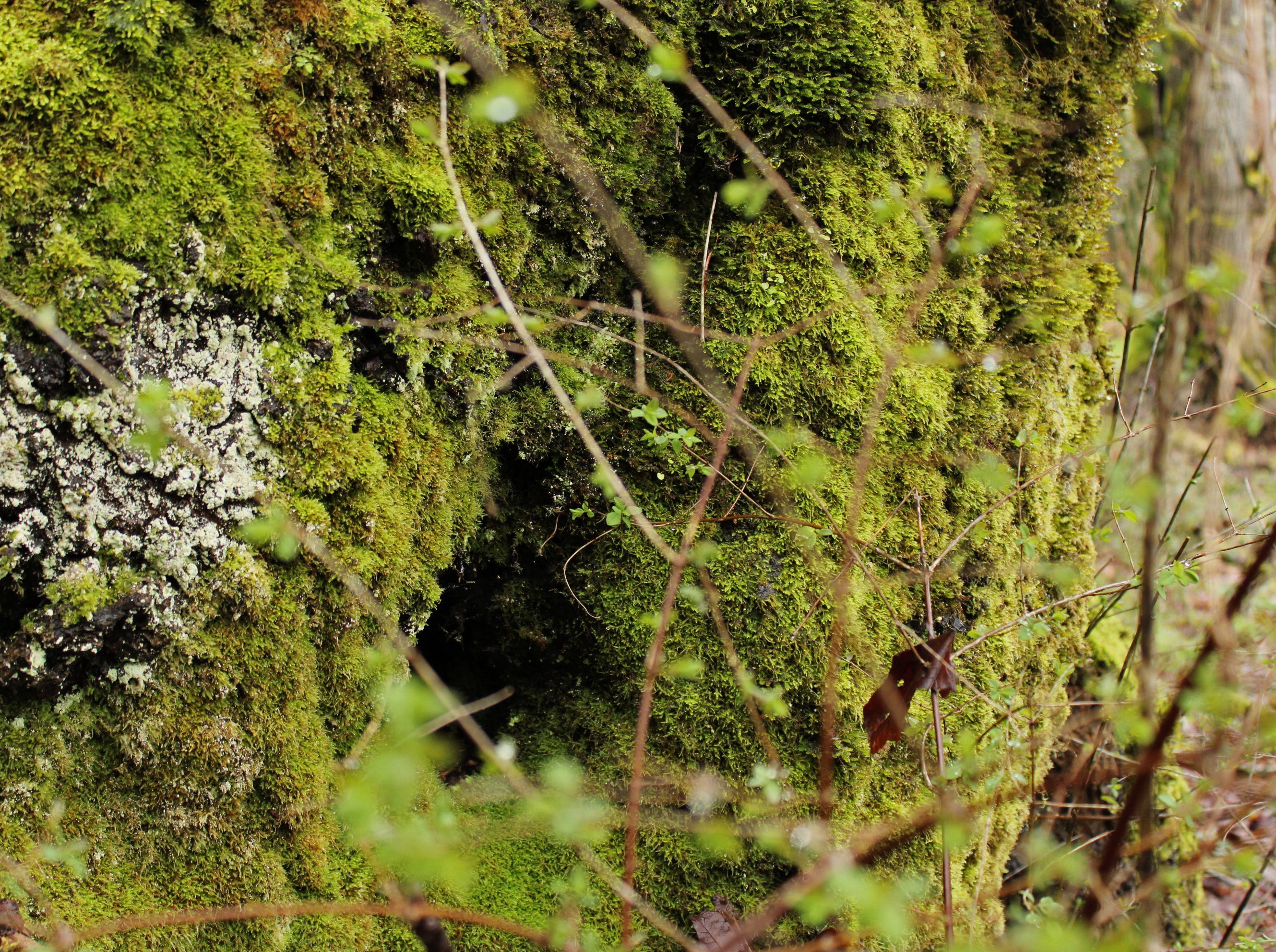
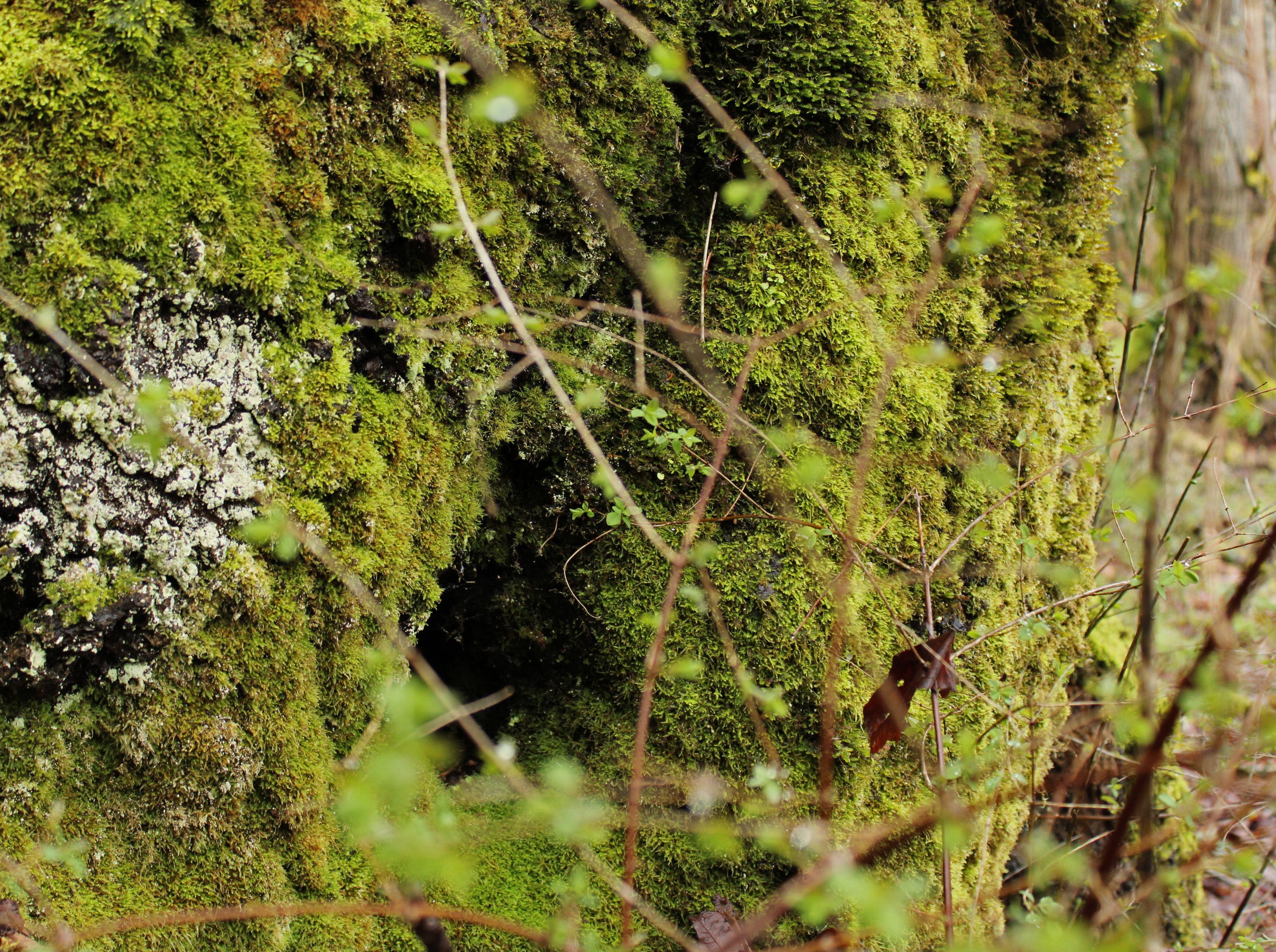
Here on the farm, a wood extends beyond the flood plain, just up the hillside. Wandering through it, I see St. Benedict’s cave appearing in so many of these old, gnarled trees…moss-covered caverns within beautiful old trunks.
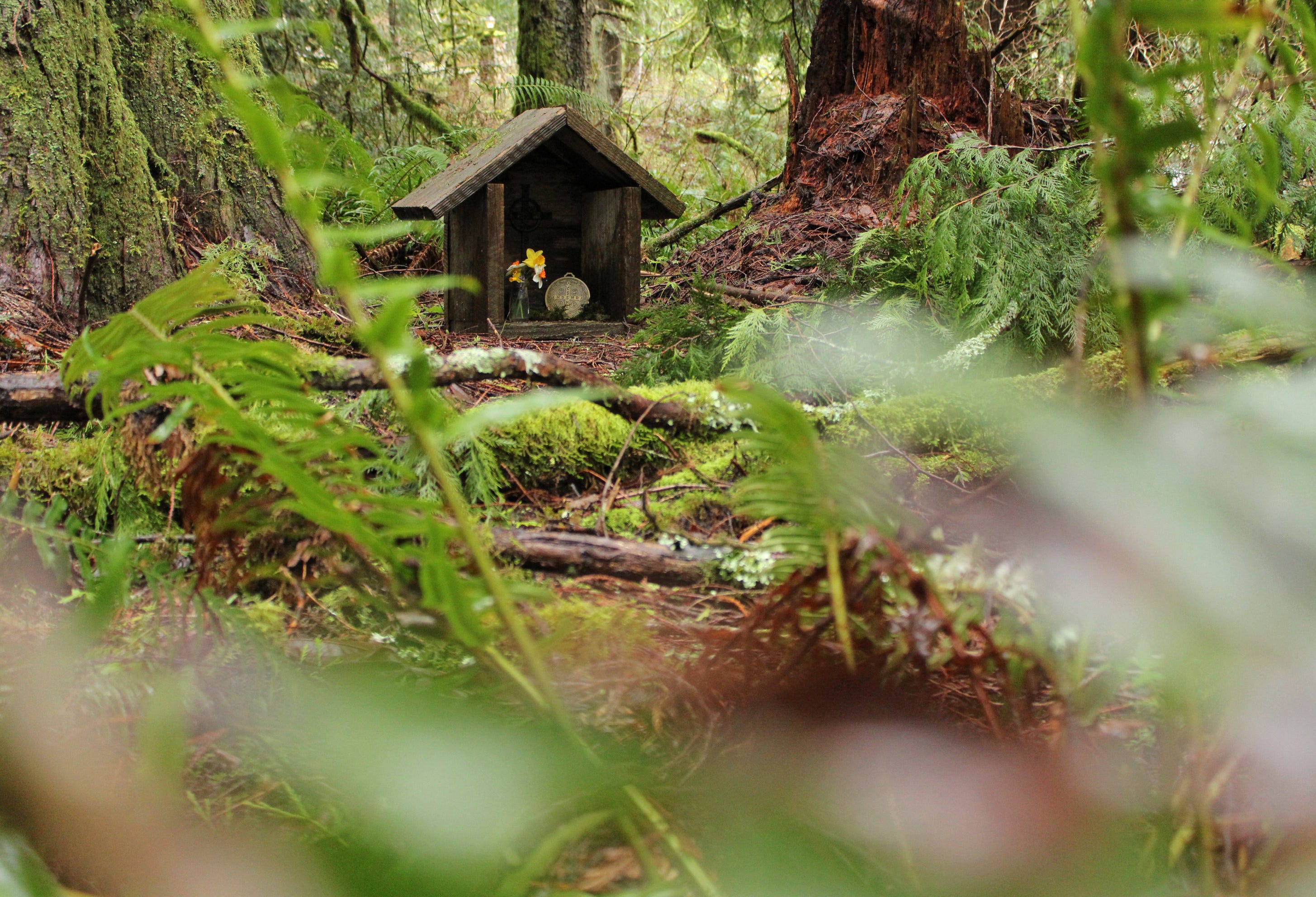
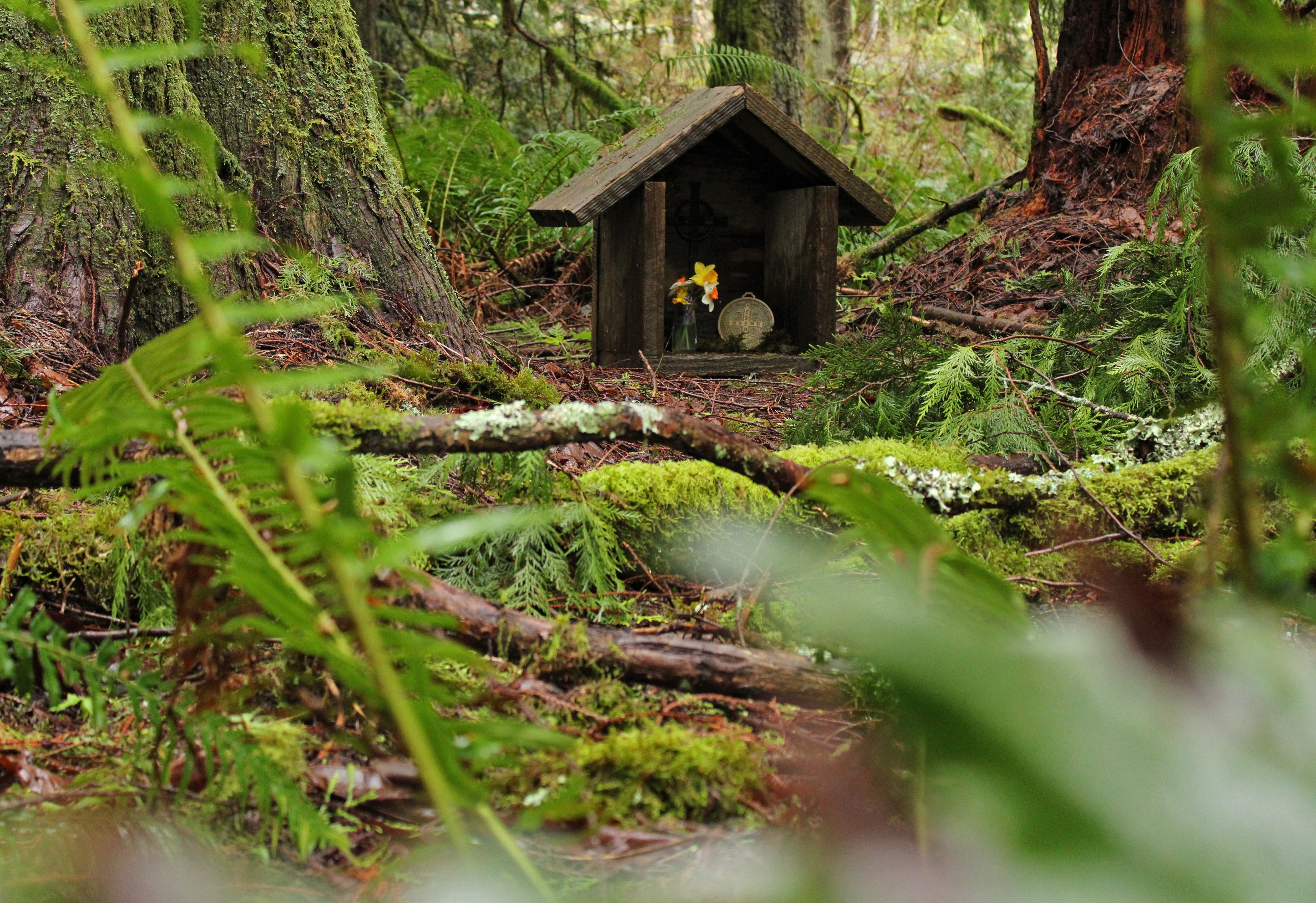
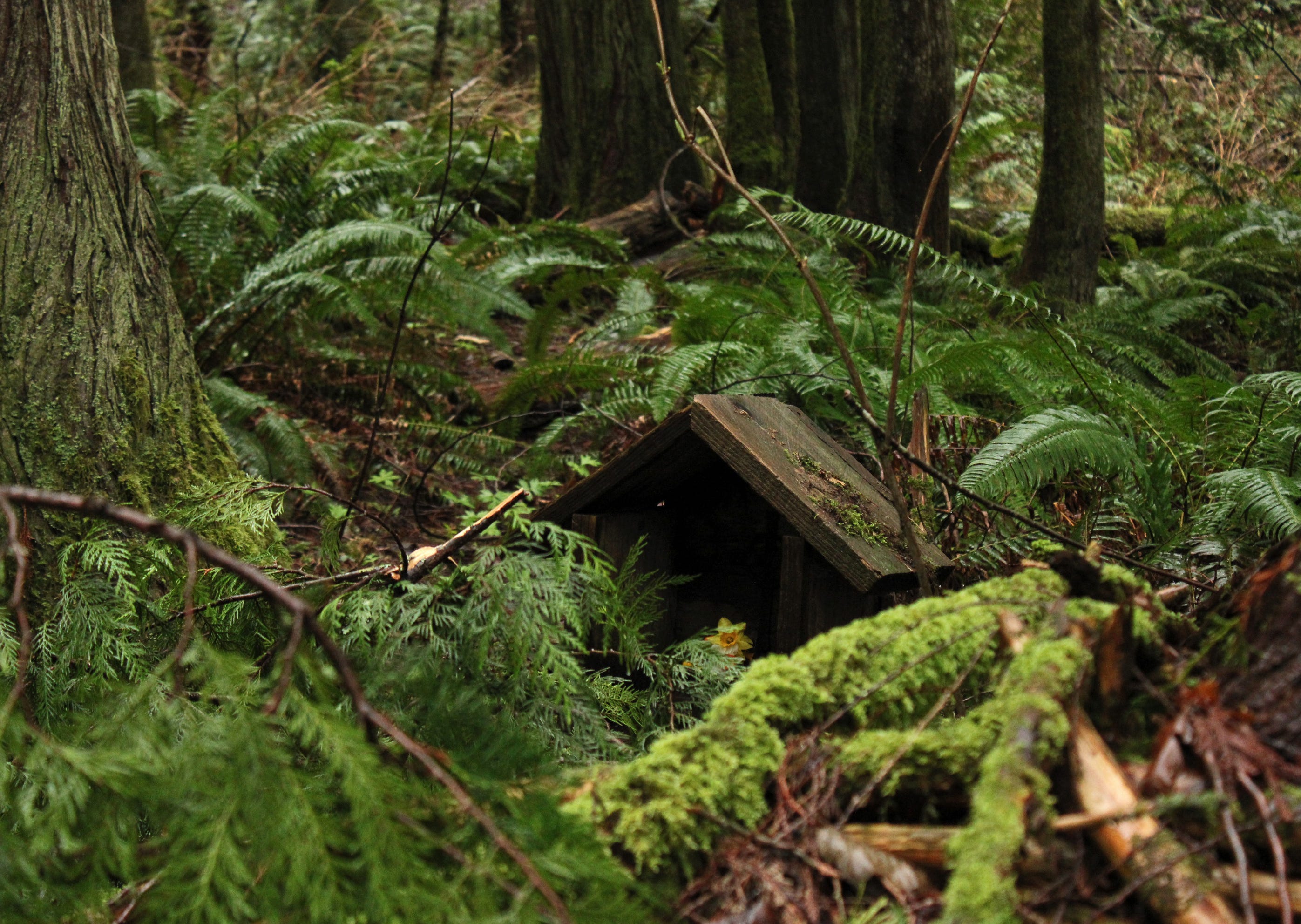
A few years ago, my husband surprised me with a birthday gift that feels a bit like my own touchpoint of sacro speco - a woodland shrine, just off the dirt road. It’s a space to sit, to listen. On my walk up to it, I may have a thousand fears and tasks whirling in my head, but when I stop at the shrine and pay attention, I find a different cacophony…a chorus that varies by season, but now, at the Equinox, is a mixture of bird chatter, falling branches, rustling squirrels, rain.
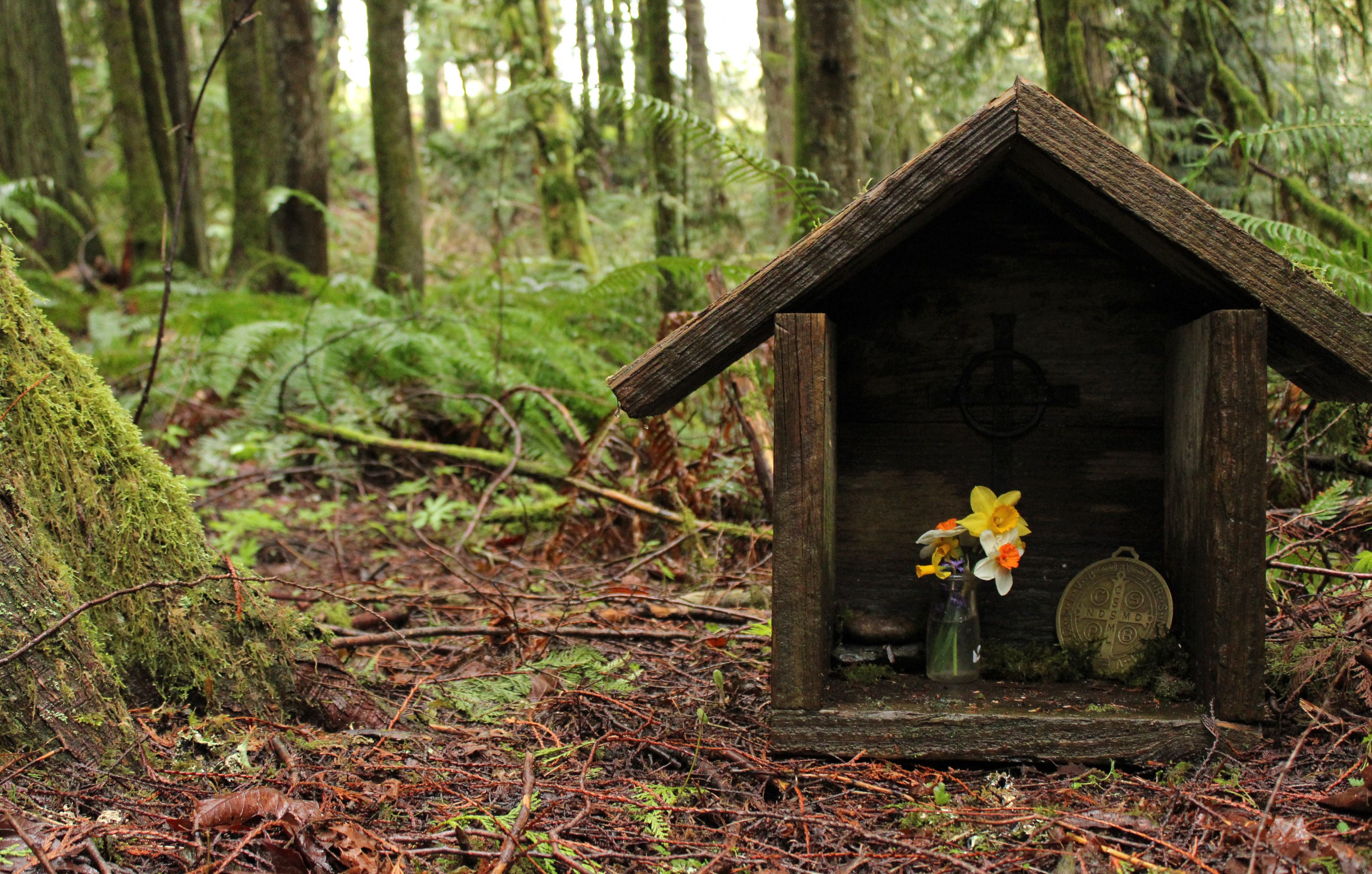
I won’t pretend to hold a candle to St. Benedict’s three years in a cave, of course - but sometimes, I think we can find echoes of those moments of spiritual camaraderie in the cloud of witnesses.
In our little shrine, I change out the flowers every so often…the kids stack stones, rearrange twigs and lichen.
An iron Celtic Cross hangs in the shrine, sheltered in a cave-like darkness; below the cross, pointing toward it, is a St. Benedict medal nestled into a pile of moss.
And I sit and listen, and think about caves that become Abbeys of devotion that never cease.
READ ON


BENEDICTION
O costly gem in God’s celestial crown,
Benedict! the faithful guide of monk and saint,
On us, thy children, fondly deign look down,
And guard our hearts from earth’s corrupting taint.[...]
A like glad triumph was for thee anon,-
Life’s struggles o’er, to God thy spirit fled;
Around thy cell the stars serenely shone,
And o’er thy path their flaming mantles spread.To the Father, and the the Son, in majesty
And power the same, be praise and glory given;
And to the Holy Ghost, who, with them both,
Diffuses life and love through earth and heaven.Gemma Caelestis, Excerpt / by St. Peter Damian, O.S.B. (11th c) - translation (1861) by Catholic Publishing & Bookselling Company, London
If you’d like to read a beautiful translation of St. Benedict’s Rule, please be sure to check out my lovely friend A Catholic Pilgrim, who provided such a helpful walk through the Rule.
Are there any wayside shrines near you? Any roadside chapels? I love the surprising, whimsical delight of stumbling upon these spaces.
Wishing you and yours a happy St. Benedict’s Day - he is alongside us this Lent, and always, pointing us back toward Christ!
Pax et bonum,
Kristin
Prologue, Rule of St. Benedict
We see this tradition of the springtime New Year at the Annunciation, too - again, near the Spring Equinox.
Hearkening back to our conversation about thin places – St. Benedict's tomb at Monte Cassino (alongside St. Scholastica's) is one of those places that I have visited.
That raven is gorgeous and I love the adorable mouse! Your drawings are just enchanting. 🥰