

As well as I know 'twill rain upon Simon and Jude's Day
October 28: Feast of Ss. Simon & Jude

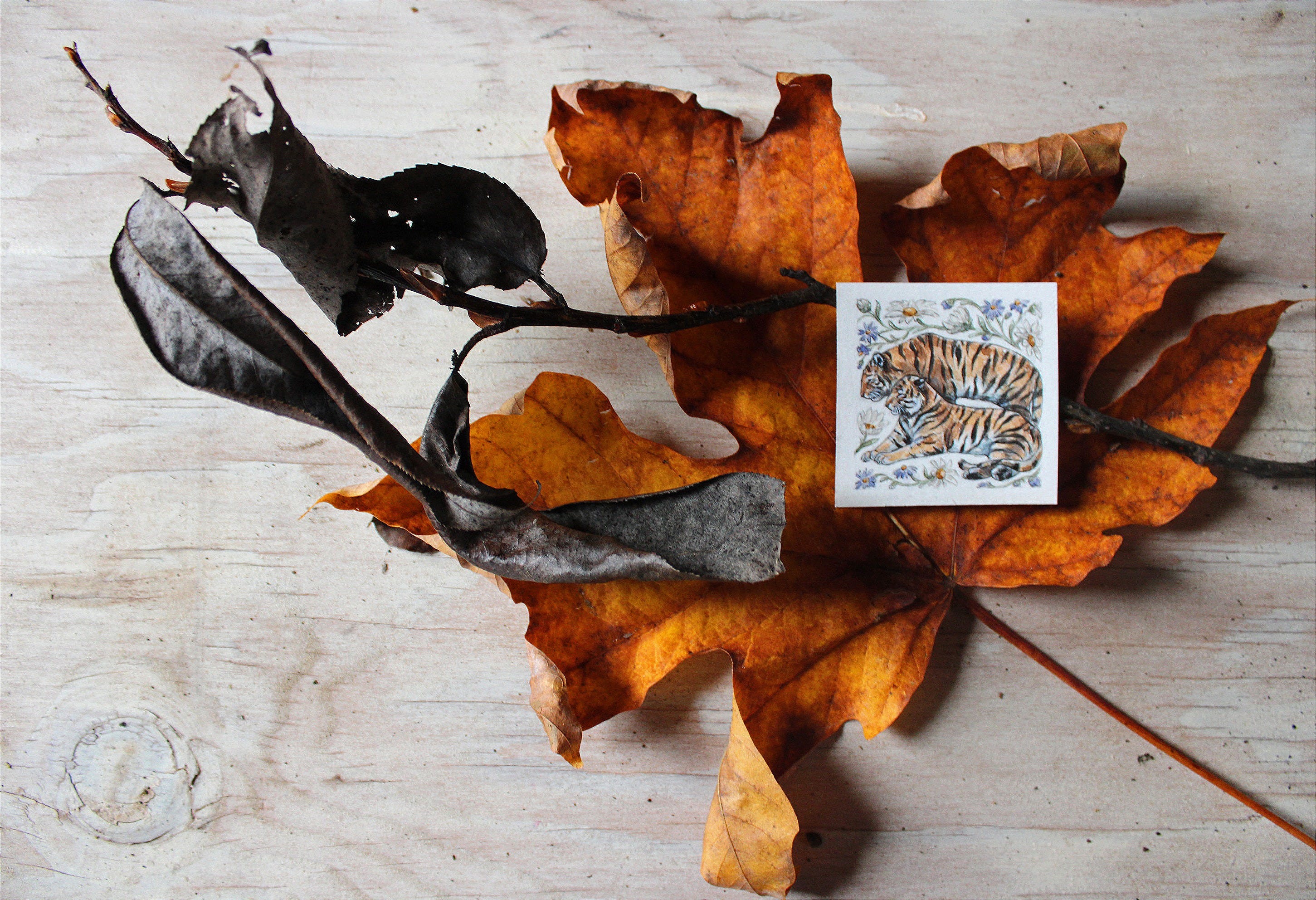
As well as I know ’twill rain upon Simon and Jude’s day next.
From The Roaring Girl, or Moll Cutpurse by T Middleton and T. Dekker (1611)
Welcome! Whether you’re a longtime friend or a new kindred spirit here (I recommend visiting the Village Green to get your bearings), I’m delighted to be a companion to you through the liturgical year.
Please enjoy this month’s focus: a practice of attention that encourages us to deeply explore one holiday within the context of the season.
For more to supplement the rest of your October days - including a special gathering with an author! - flip through the October Almanac.
Pax+bonum, Kristin.
» Printable Resources
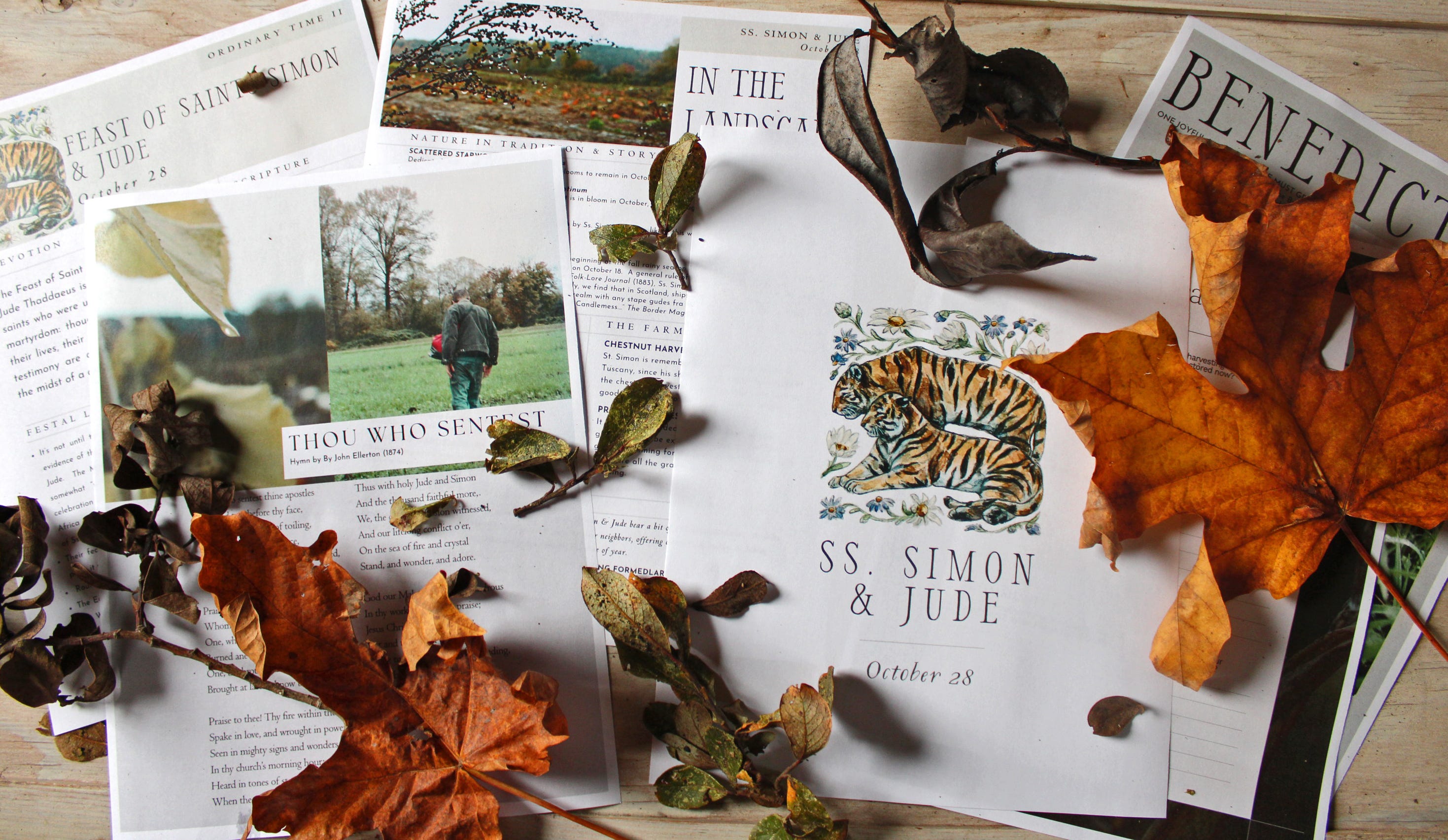
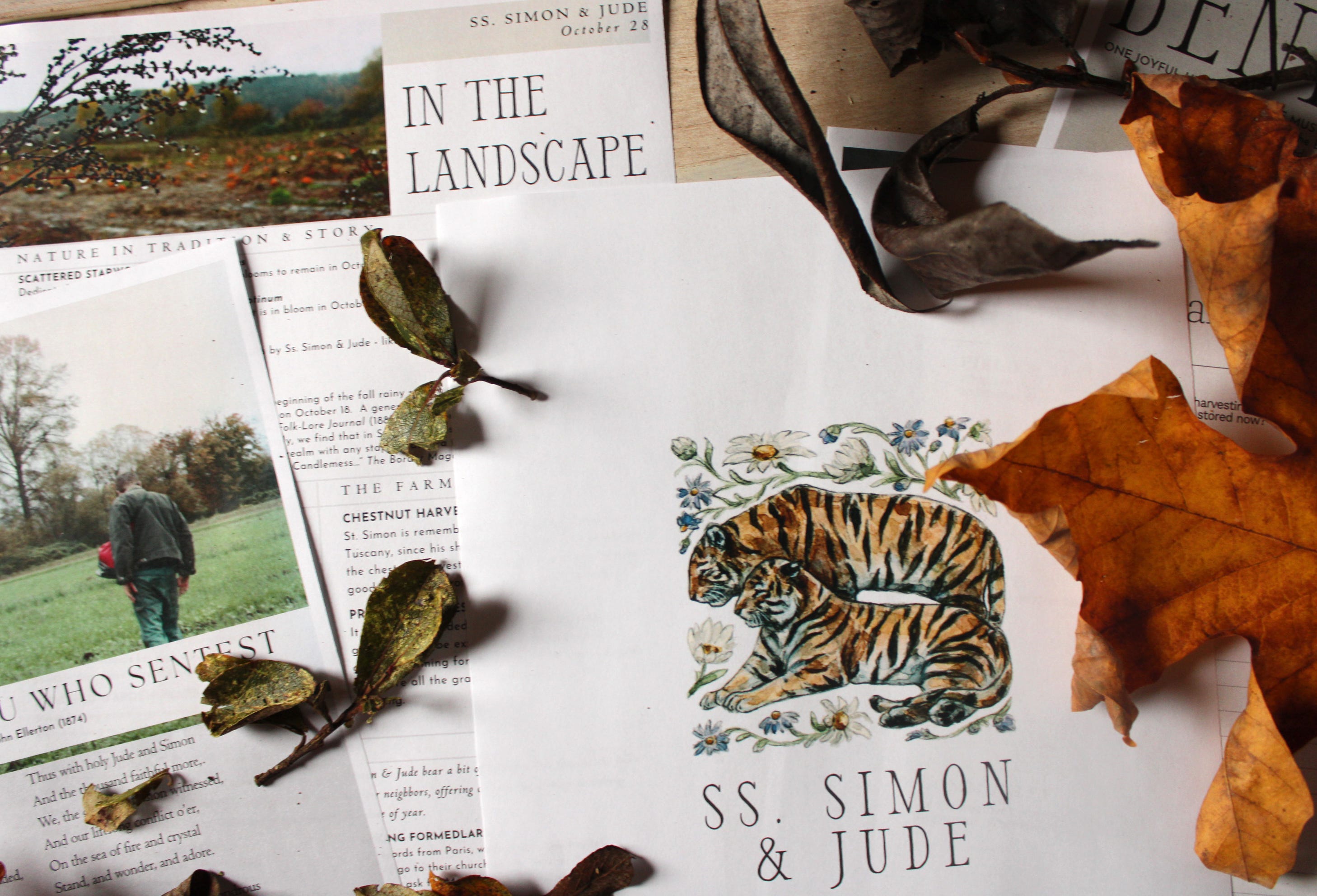
Keeping a liturgical Book of Hours binder helps me to distill all of the inspiration I find, so I can easily look to the elements that have been most nurturing for our family & community.
Cover page featuring twin tigers (reminding us of the legend that Ss. Simon & Jude tamed two fierce tigers) surrounded by the autumnal blooms of Scattered Starwort and Late Goldflower (floral emblems of Ss. Jude & Simon)
Five pages of folk tradition, agrarian context, traditional meal ideas, prompts, history, poetry, Scripture, & hymns (with photos) to help you learn about this feast and reflect on how it intersects with your own life and landscape.
Paid members can find this (as well as my whole archive of printables) in the Scriptorium:
WHEN THE STORMS BEGAN TO LOWER
Praise to thee for those thy champions
Whom our hymns today proclaim;
One, whose zeal by thee enlightened
Burned anew with nobler flame;One, the brother of thy childhood,
Brought at last to know thy Name.
Praise to thee! Thy fire within them
Spake in love, and wrought in power;Seen in mighty signs and wonders
In thy church’s morning hour;
Heard in tones of sternest warning
When the storms began to lower.Thus with holy Jude and Simon
And the thousand faithful more,
We, the good confession witnessed,
And our lifelong conflict o’er,
On the sea of fire and crystal
Stand, and wonder, and adore.Excerpt from Thou Who Sentest Thine Apostles by John Ellerton (1874)
Despite their close orbit to Jesus, I’ve found Saints Simon and Jude to be utterly enigmatic figures…and honestly, I’m delighted. Every breadcrumb in their stories leads deeper, revealing more questions, and always pointing back to their mission: revealing the life of Christ.
Ss. Simon & Jude were (perhaps) relatives of Jesus, (maybe) two of the original Twelve Apostles, (possibly) associated with some of Jesus’ miracles…their life stories are filled to the brim with parentheticals and footnotes.
Isn’t that curious?! These saints were, after all, among Jesus’ closest disciples.
I’m thankful to find this somewhat mysterious pair standing at the threshold of Hallowtide, greeting us as our landscapes and lives are plunged into the darkness of winter. In stark darkness, light becomes startlingly brilliant…and it’s in that Hallowtide context that the feast of Ss. Simon & Jude starts to reveal a bit more about the light they bear.
Even the name of St. Simon is shrouded in haziness. In the Gospels of Matthew and Mark, Simon is dubbed Kananaios - which was colloquially mis-translated as Canaanite. Instead, the original Greek word was actually a transliteration of Aramaic: qan’anaya, which means “zealous.”
From the Gospel of Luke and the Acts of the Apostles, we also know St. Simon as “the Zealot” - Zelotes, a Greek title given to a political group of extremist Pharisees that opposed Roman rule & incited rebellion.
Whether St. Simon was part of a political sect, or whether this title simply hints at his nature, one thing is apparent: in his encounter with Jesus, Simon’s more earthly zeal reshaped and deepened into zeal for the Kingdom of God…inherently transforming his mission.
Most of what we receive about St. Simon’s life remains speculative and legendary: some suggest that it was actually Simon’s wedding feast1 at which Jesus performed his first public sign, or that Simon was one of the shepherds to whom the angels revealed Christ’s nativity.2
As far as his ministry and death, varied sources tell us that, after remaining with the Apostles until Pentecost, St. Simon traveled to Egypt to preach the gospel…eventually moving on to Persia, preaching with his characteristically zealous approach (where he was, perhaps, martyred with St. Jude). Other sources claim that he traveled to Roman Britain to bring the Gospel, ultimately being crucified there.
Truly, it’s a stormy cloud of information. Some light does break through it all, though: common threads woven out of a desire to see St. Simon’s whole life as a devotion to the Gospel. Non-canonical stories and legends matter: in them, we find generations upon generations of the faithful attempting to find Christ’s reflection in the life of his earliest witnesses. For whatever these stories can’t tell us with certainty, they do share something crucial…the ongoing spiritual longing of God’s people, always on a search for light in darkness.
St. Jude is equally mysterious: in the Gospels of Matthew and Mark, Jude is identified with Thaddaeus - a name meaning “courageous,” and perhaps given to separate him from the traitor Judas. Similarly, John’s Gospel clarifies that he is Judas (not Iscariot), while the Gospel of Luke dubs him Judas, son of James (and this is where relationships get extra tricky: he may have in fact been the brother of St. James the Lesser). Early Latin translations call him “Iudas Zelotes” (Jude the Zealot)…and, adding to all this confusion, is the presence of a different Thaddaeus among the Seventy Apostles sent by Jesus.3
(Whew! It’s a lot.)
All that to say: St. Jude held the complicated trait of sharing his name with Judas Iscariot, traitor of the Lord. In part, this may be one of the reasons that much of St. Jude’s life, as well as his shared festal celebration, hasn’t had a clear thread running down to us through the ages. In this association, too, St. Jude seems to have gained his pastoral influence as the patron saint of desperation and lost causes.
But here, on the edge of Hallowtide, we’re reminded that in that context of darkness, there is light: a light to which both St. Jude and St. Simon bore witness.
Although St. Jude may have been one of Jesus’ cousins, it wasn’t blood kinship - but rather, spiritual kinship - to which he appealed. From Jude, we receive his Epistle:4 a short letter that was perhaps intended for Jewish Christians living in a Gentile cultural context.
In it, he identifies himself first and foremost as a servant of Jesus, calling for us to…
“…contend for the faith that was once for all delivered to the saints.” (Jude v. 3)
And it’s with this tether to the truth proclaimed by the life and work of Christ that St. Jude went forth to, indeed, contend for the faith. Legends tell us that he traveled throughout Judaea and Galilee, Samaria, Pontus and Mesopotamia, preaching the Gospel and healing the disabled.
He encountered St. Simon along the way, and together - “two by two”5 - they went to Persia. Their legendary work in Persia is filled with accounts of miraculous healings, the taming of fierce tigers, and an encounter with sorcerers and magical snakes (which the Apostles turned on their sorcerers, though choosing mercy and keeping the Magi from real harm).
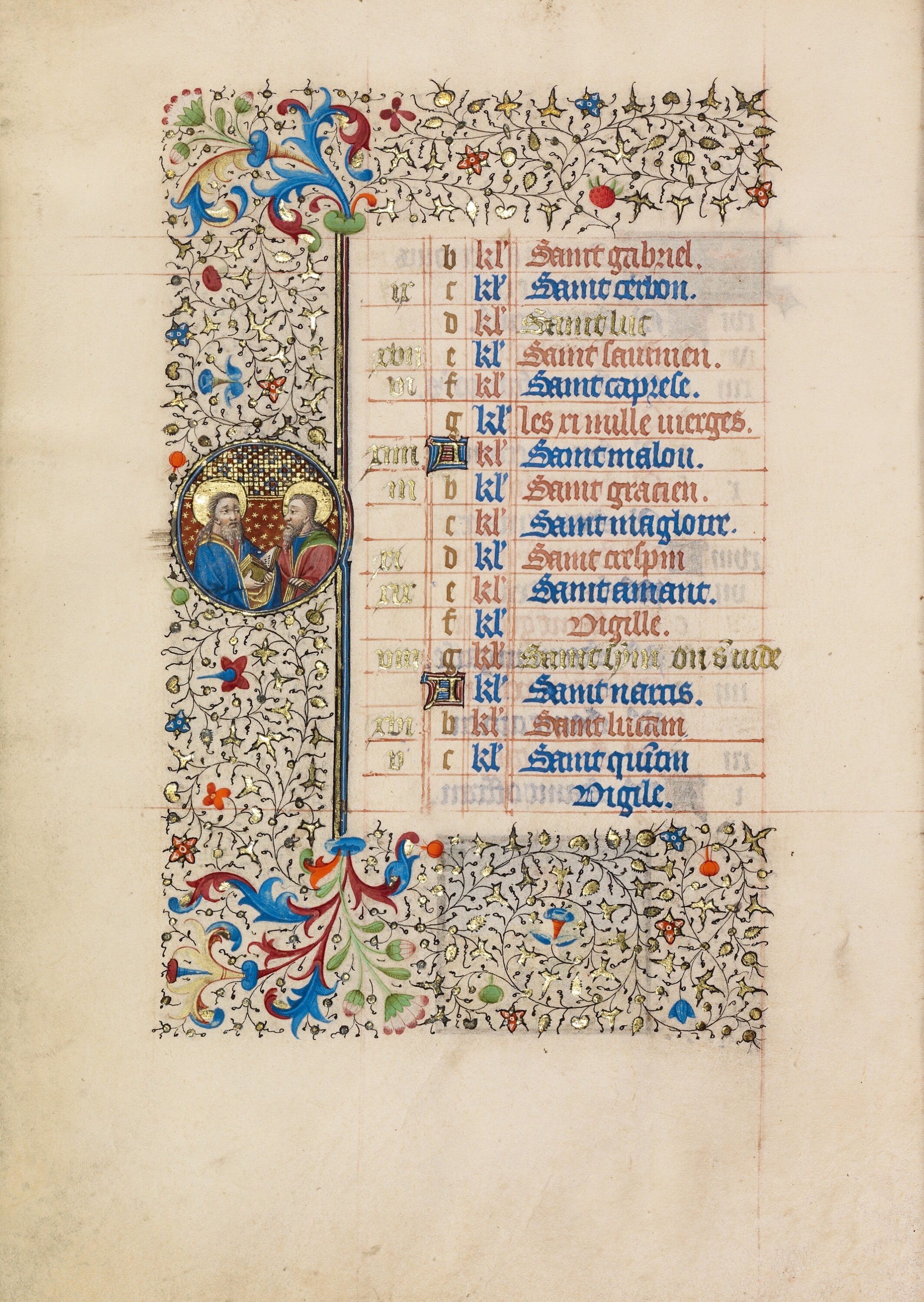
Eventually, Ss. Simon & Jude were (perhaps) martyred together in Persia around 65 AD. Belief in their twinned martyrdom and shared ministry led to Ss. Simon & Jude being tied together in religious observance, with their relics being transferred to Rome on October 28…which remains their joint feast day in the Western Church.
So, here we are: All Hallows’ Eve is in sight. Across the calendar, in the springtime approach toward Easter, we reinhabit the mystery of Jesus’ death on a cross, bearing witness to his passion, death, and resurrection…but here, in autumnal Hallowtide, the Church asks us to encounter our people’s lives and deaths. To keep the flames of their lives flickering in our prayers, to contend for the faith even across the threshold of death. All of it, all hard and complicated and painful and beautiful, made whole through the mystery that we’ll celebrate next spring.
Until then, it’s a dark and stormy night. But as we are asked to face death with intention in these upcoming holidays, the Church, in her wisdom, grants us two emissaries in this annual retelling of our shared faith story: Saints Simon and Jude are here, both contenders, and both leading by example…amidst days that feel dark and frightening, reflecting the light of Christ.
WINTER IS UPON US
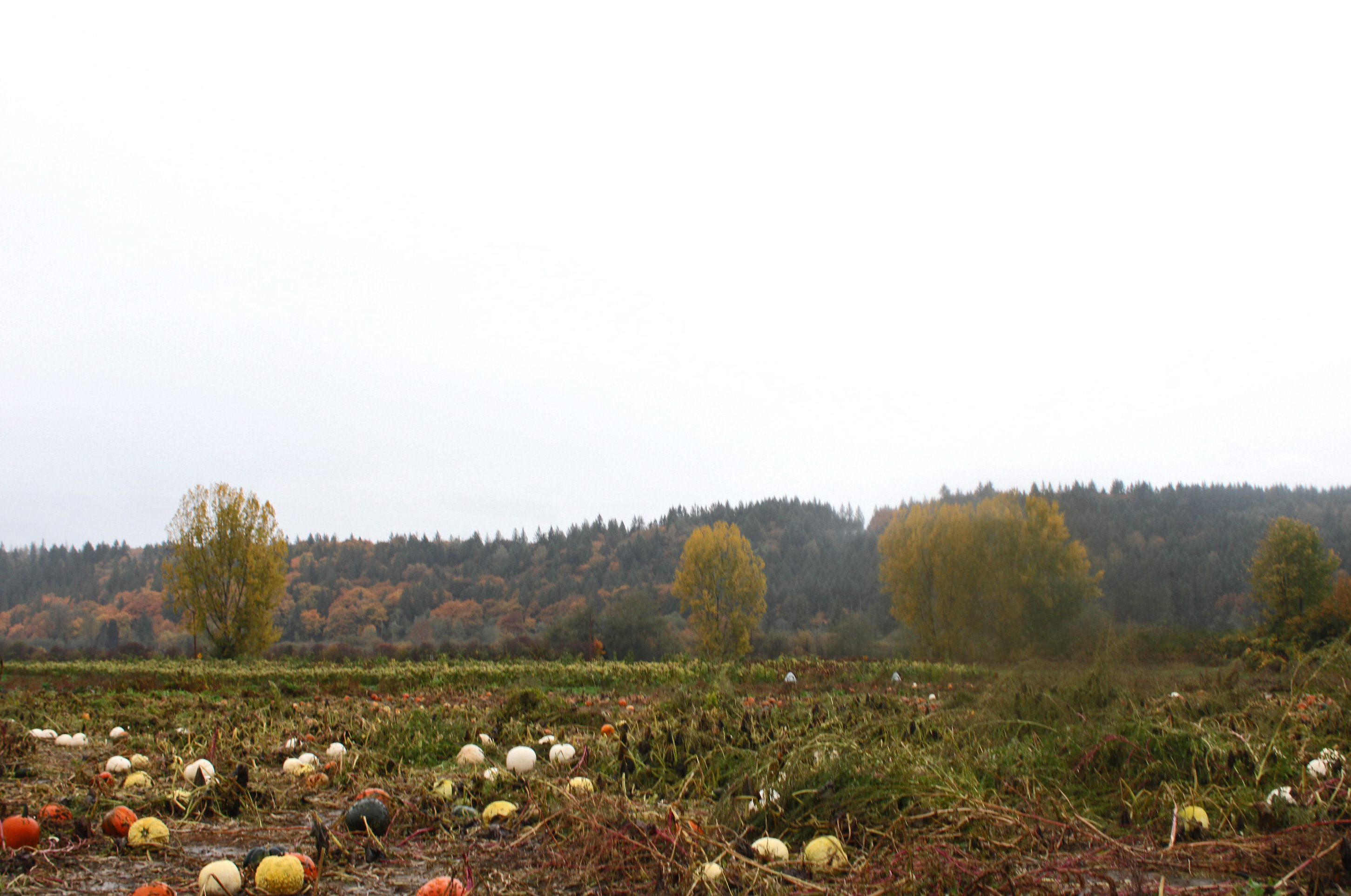
The feast day of Jude prevents you from walking unprotected, but encourages you to cover your whole body with warm clothes.
When the feast of Jude and Simon has passed, it is thought that winter is upon us.
J. Buchlerus, excerpt from Sententiae Rhythmicae (16th c.)
So, hand in hand with Ss. Simon and Jude, we bend toward wintry days. And sure, it’s an absolute delight to sit with a cup of tea by the fire while we watch the wind blowing outside: but we’re also asked to head out into the storm.
Not without protection, though…we button up our coats, we don our armor,6 and we encounter the dark, stormy night. Avoiding it simply won’t do: we are, after all, guaranteed suffering in this life…but the Church calendar tenderly gives us the opportunity to rehearse our alignment toward the Light that won’t be overcome amidst darkness.
Anxiety and fear will naturally accompany us, too, but we get to practice shelter-building through the spiritual disciplines we cultivate - so, like our friend St. Francis, we can face Death as a Sister7 because of Him in whom we have confidence. Every time I open Scripture in trials instead of trying to numb myself with technology, every time I go to prayer instead of grumbling, I practice knowing the protection that can only come from God.
Blessed are those whom death will find in
Your most holy will,
for the second death shall do them no harm.St. Francis, from the Canticle of the Creatures
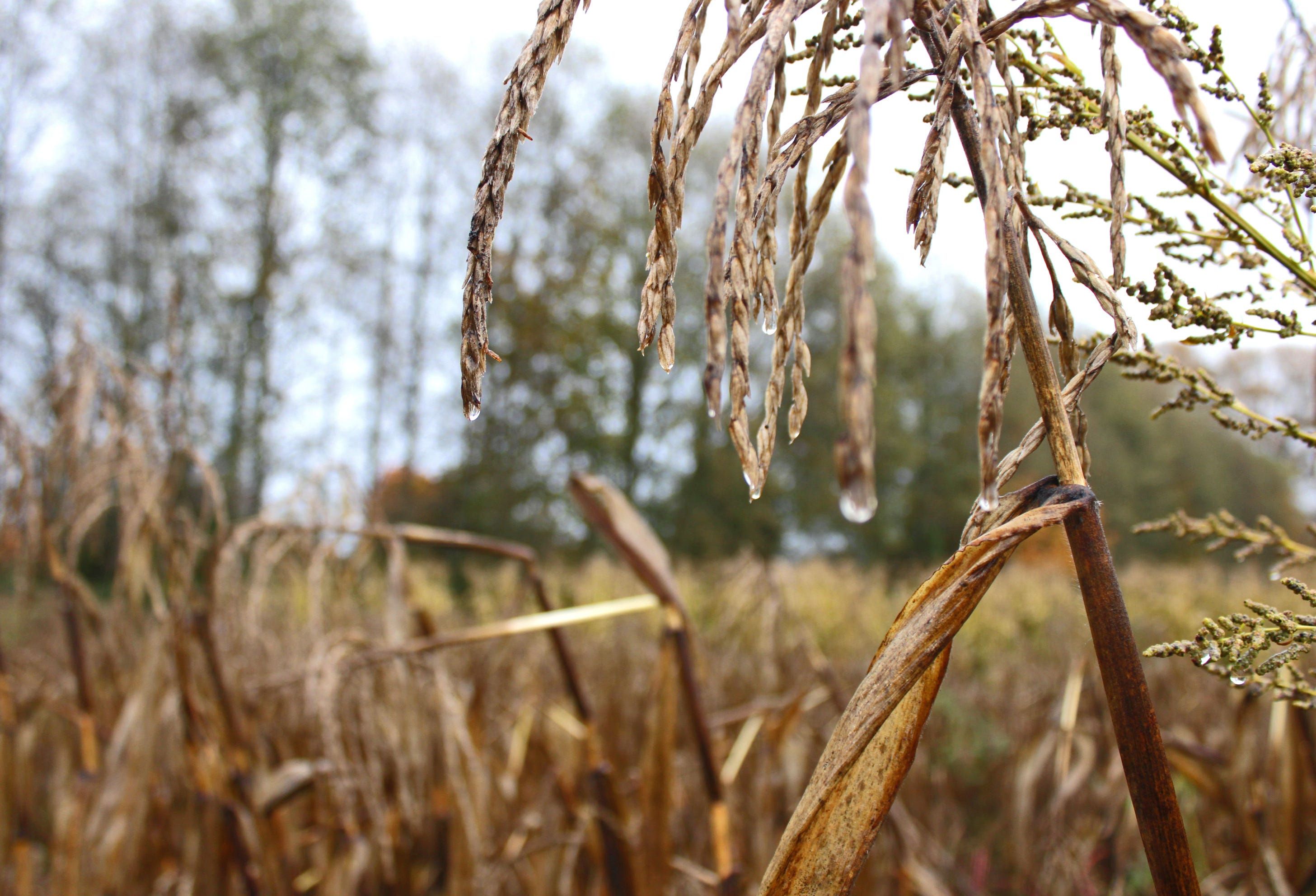
The Feast of Ss. Simon and Jude, settled into the context of Hallowtide, is a feast of storms that readies us for a season in which we encounter death: they are among the “host of raining saints” (The Folk-Lore Journal, 1883), with their calendar date repeatedly being marked as the time to don winter gear.
“The twenty-eighth of October is the day of St. Simon and St. Jude. On this day it was formerly considered proper to put on winter garments.”
Cora Linn Morrison Daniels & Charles McClellan Stevens, Encyclopaedia of Superstitions and Folklore (Vol. 2, 1903)
This prompt toward protection applied to sailing, too. In Scotland, ships were not permitted to sail after the feast of Ss. Simon and Jude:
“...there be na schip franched out of the realm with any stape gudes fra the feast of Simon’s Day and Jude unto the feast of the purification of our Lady, called Candlemess...”
The Border Magazine (1929)
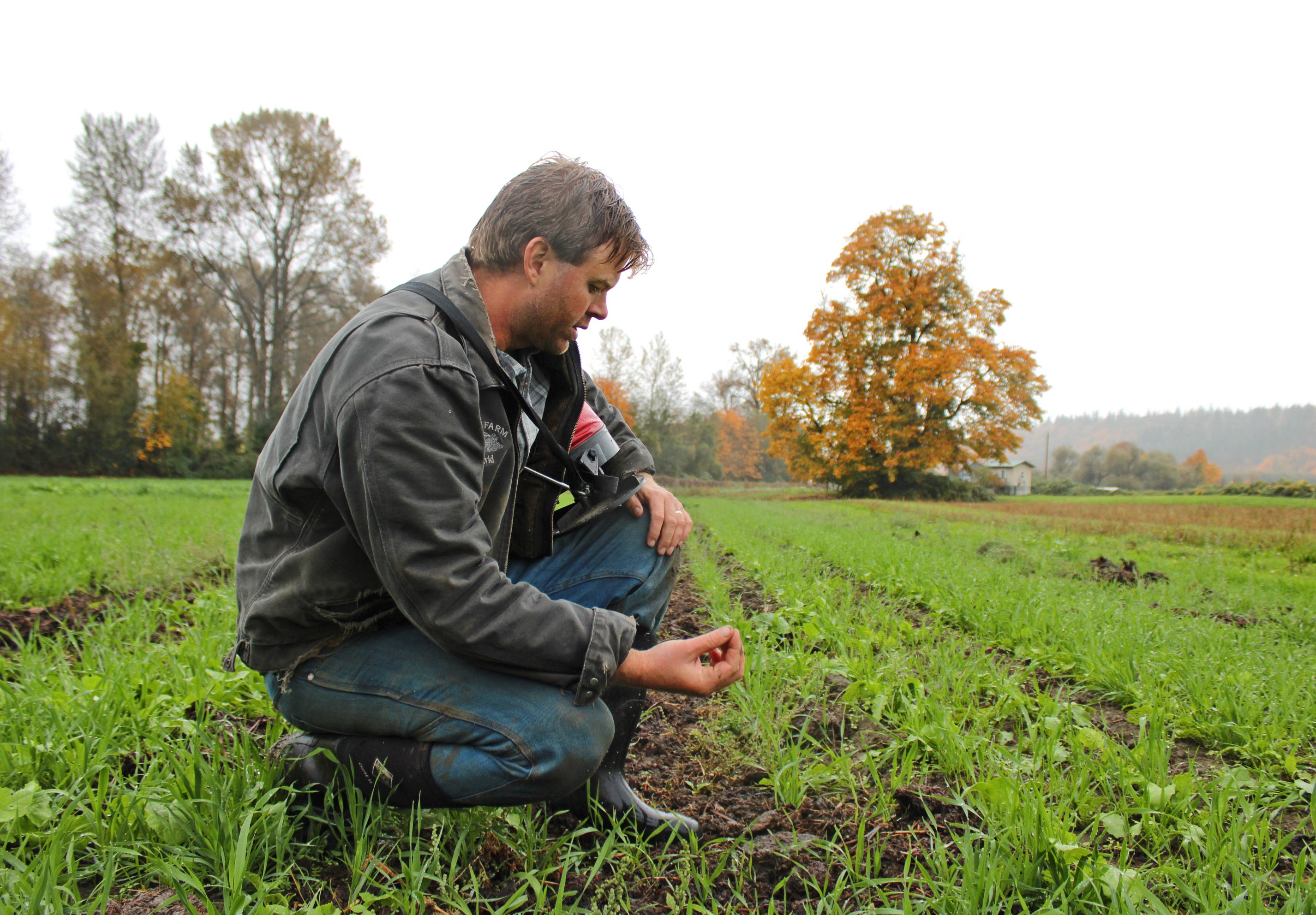
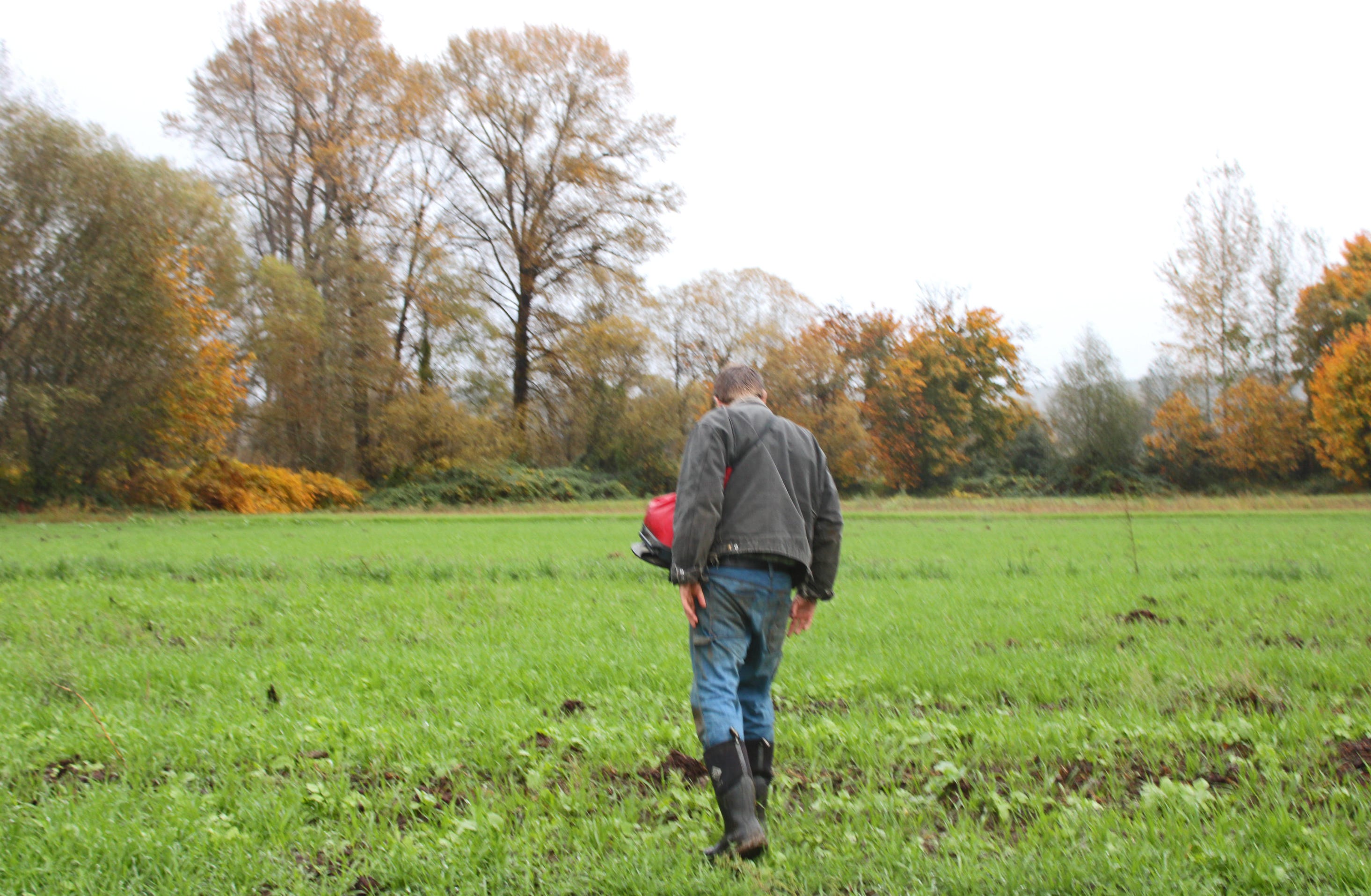
On the farm, we feel this keenly: as we reach Saints Simon & Jude and Hallowtide, we’re surely wearing coats almost all the time (we’re in the Pacific Northwest, after all…) - and we’re also building layers of protection & shelter into the land itself as it faces another winter. The fields will likely see a flood or two, as well as whatever other inclement weather comes, but we do what we can to ready them to encounter these cold, wet days.
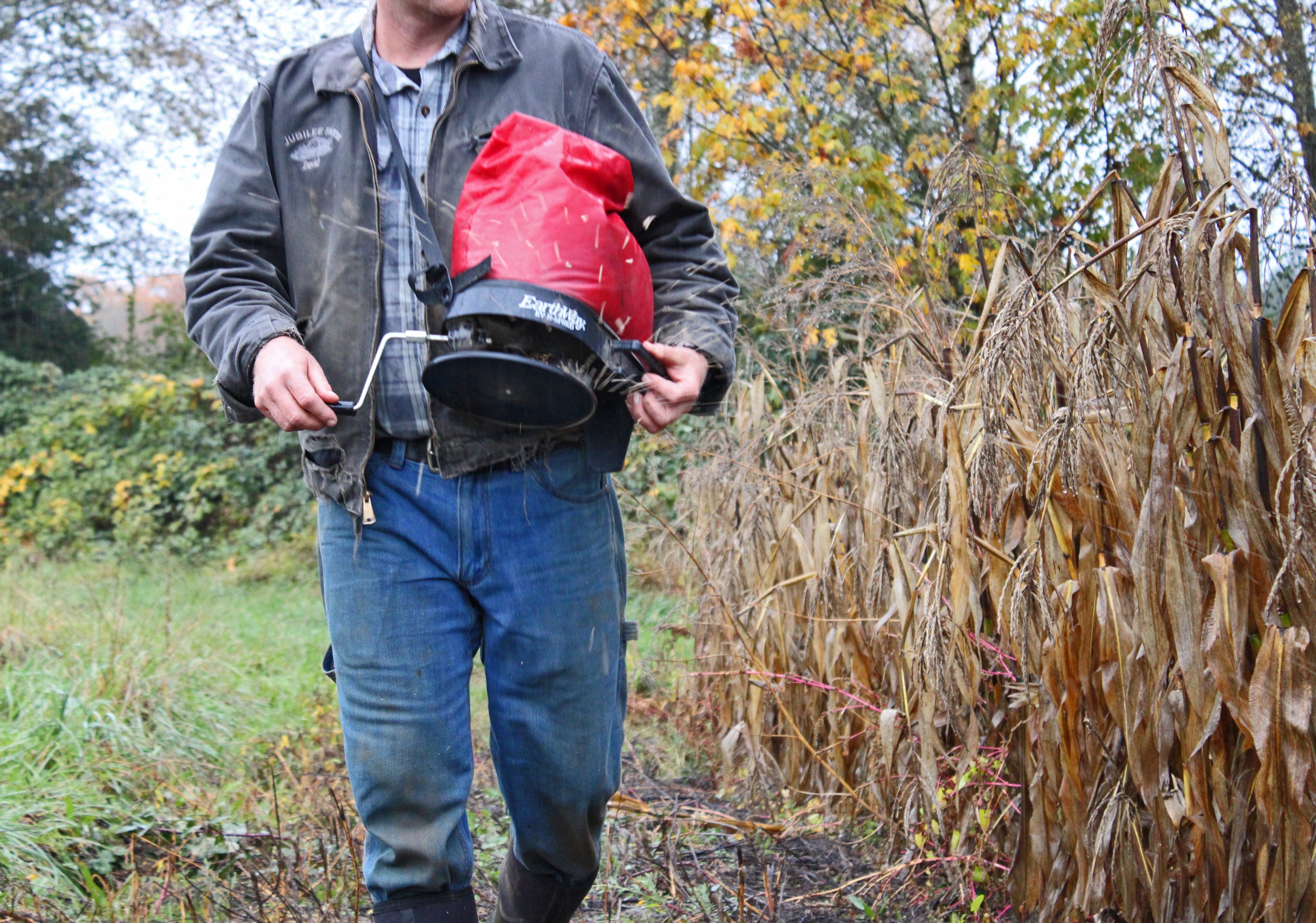
In particular, that means planting cover crop: in a sense, the “winter garment” of the farm It’s a process we already started, but it becomes more crucial to complete now. Any fields that have already been harvested (or were cover-cropped in the summer months) need a winter cover crop…a layer of protection that serves to condition the soil, suppress weeds, add fertility, and physically hold the soil in place.
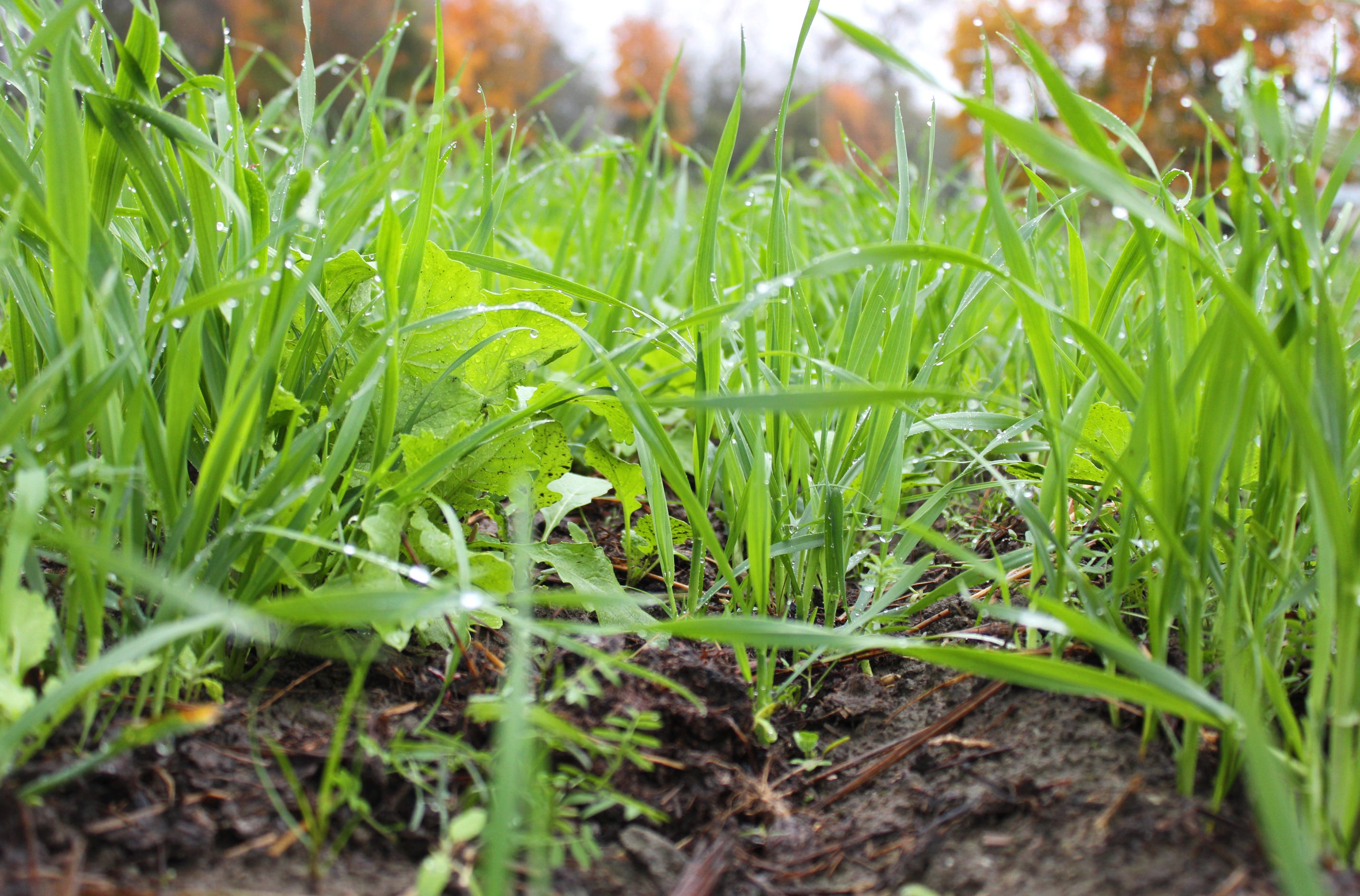
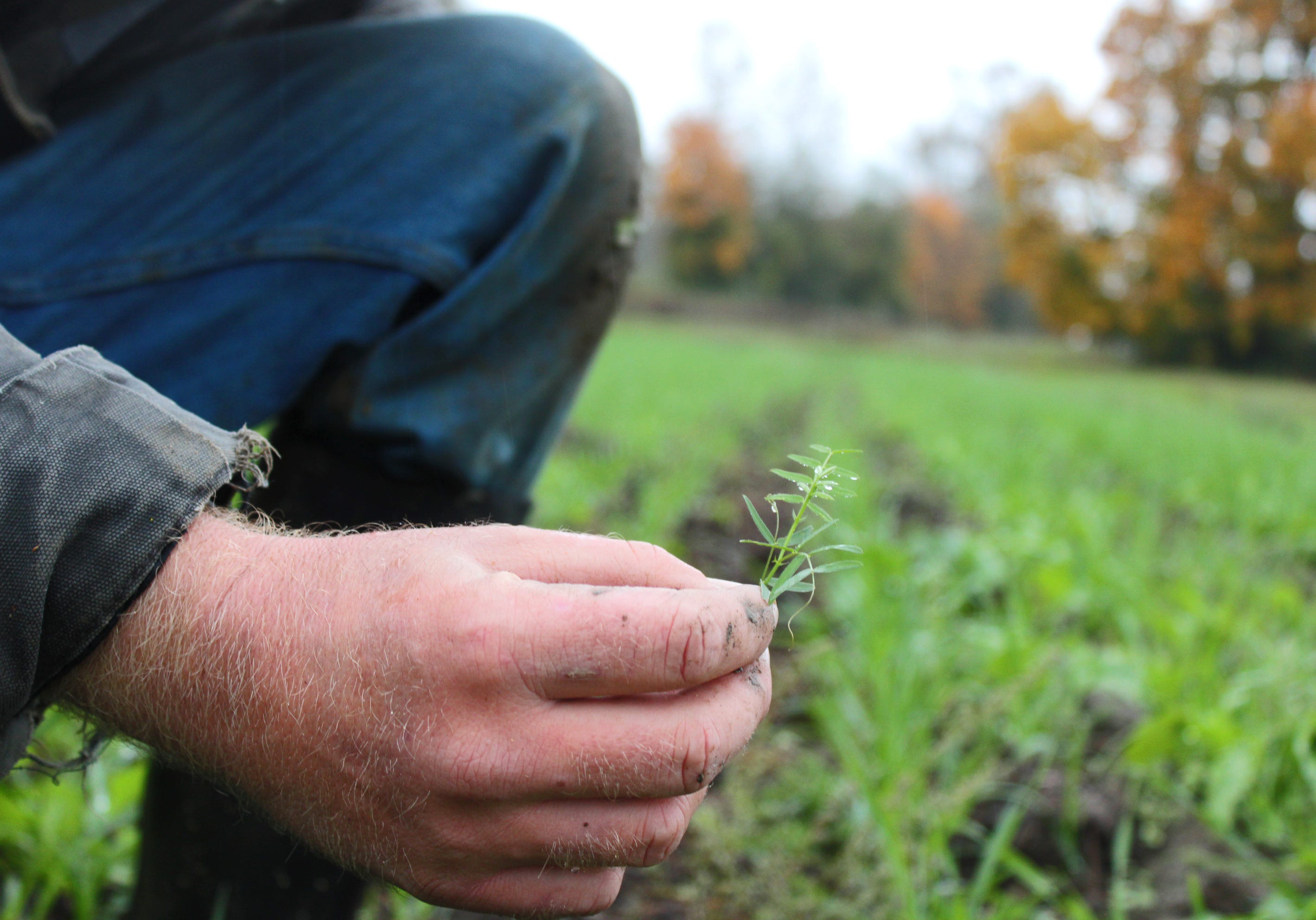
Generally, our cover crop is a mix: vetch, clover, and peas are marvelous “nitrogen fixers” - they help to return lost nutrients to the field. Winter rye is a great germinator even during cold, dark days, and by mingling it with tillage radish, the fields are somewhat prepared for winter flooding.
This cold-weather radish sends down an incredibly long taproot, both holding the ground together and breaking it open for spring planting. Its long root transports nutrients from the subsoil up to its leaves…and, when they die back, those subsoil nutrients are in turn mingled with the topsoil.


Really, the cover crop’s life cycle is sacrificial: the purpose of these plants is to live out their full lives, and in their deaths, they return fertility to the soil. In the meantime, their lives are spent holding that loose topsoil together amidst storms and floods.
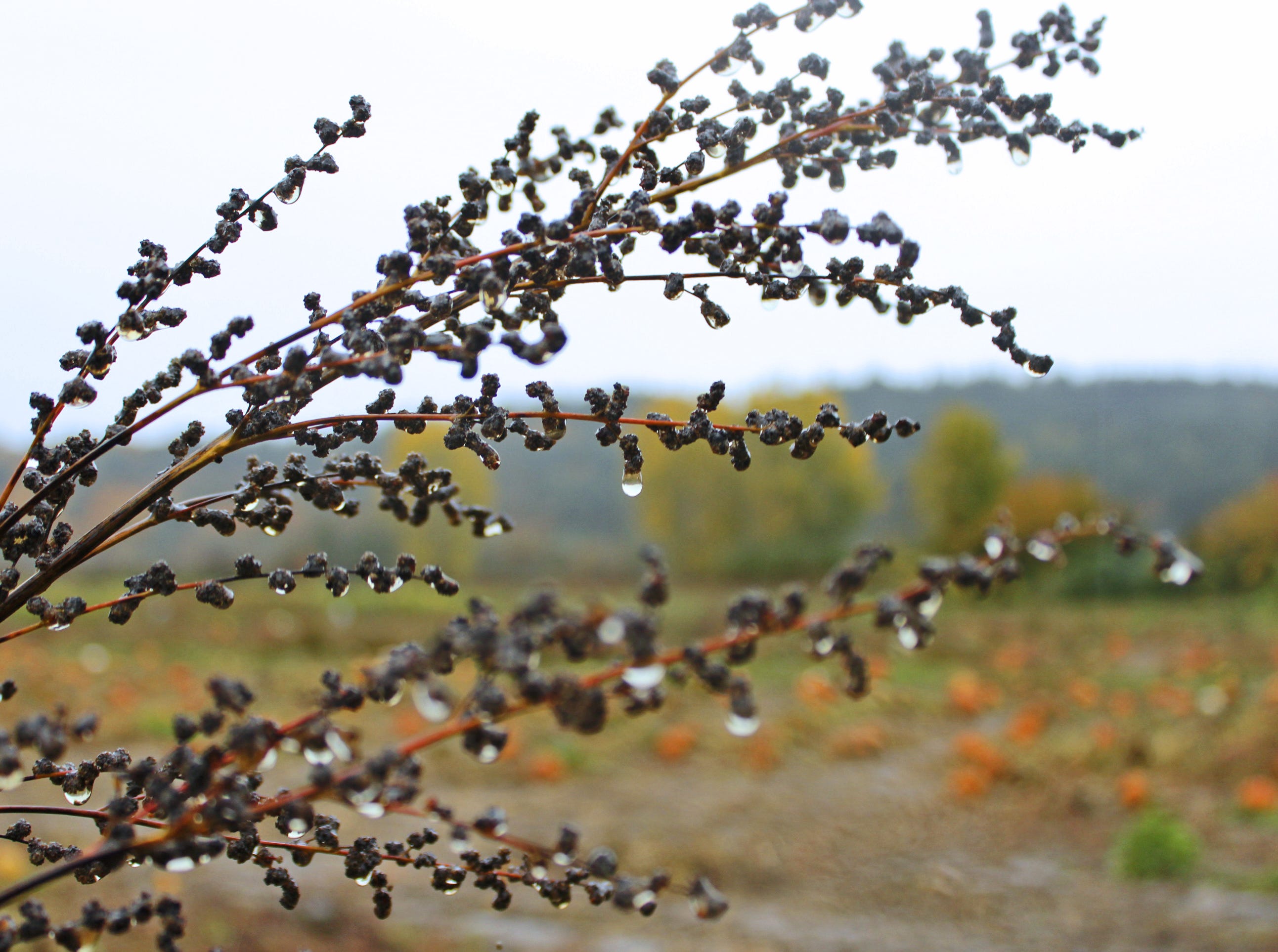
…and, come to think of it…weeds provide that wintry protection for the land here, too. By the time we’re celebrating Ss. Simon and Jude, weeding season is long over. The lambsquarter has gone to seed on the edge of the fields, and we let it be; it may make for more weeds in the summer, but for now, its roots are holding the ground and its leaves are returning to the topsoil, too.
It makes me wonder: are there weeds in my life that are, paradoxically, protective for me in this season? Trials and difficulties that are, through God’s topsy-turvy economy, serving to enliven and protect me?
For this light momentary affliction is preparing for us an eternal weight of glory beyond all comparison
2 Corinthians 4:17-18
So, let’s don our winter gear, plant our cover crop, give thanks for our weeds, and head out into the storm with Ss. Simon and Jude: we may go with fear, but we also go with Someone much stronger.
READ ON


BENEDICTION
Now to him who is able to keep you from stumbling and to present you blameless before the presence of his glory with great joy, to the only God, our Savior, through Jesus Christ our Lord, be glory, majesty, dominion, and authority, before all time and now and forever.
Amen.
Jude vv. 24-25
Wishing you and yours fair winds as you head into these wintry days - you don’t go alone, dear one.
Pax et bonum,
Kristin
John 2:1-12
Luke 2:8-20
Luke 10:1-23
Though the author is traditionally held to be Jude, the authorship remains debated because of the writing style.
Luke 10:1
Ephesians 6:10-18
From St. Francis’ Canticle of the Creatures
Beautiful reflection; God is very good in giving this to me in the midst of a current storm. Thank you!
Amen to the Benediction and Amen to being reminded of these two Saints and their devotion to the Gospel and to those who needed it most.